Pharma Marketing: Multichannel vs. Omnichannel
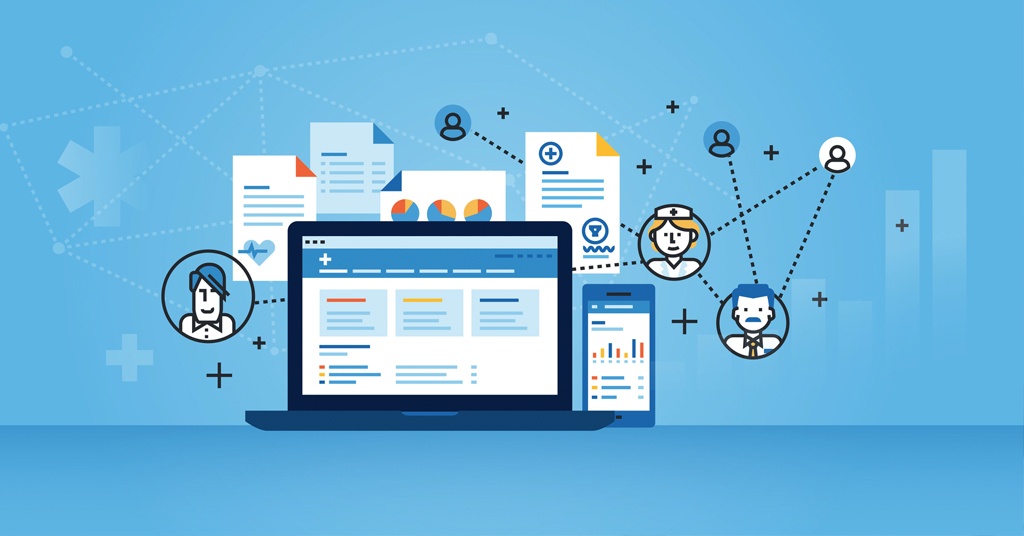
Pharma teams have more ways than ever to reach patients, HCPs, caregivers, clinical trial candidates, investors, and talent. The challenge is not adding channels. It is making every touchpoint feel connected, relevant, and consistent.
Multichannel and omnichannel marketing often get used interchangeably, but they are not the same. Below is a practical, pharma-focused breakdown of what each means, when each works best, and how to move from one to the other.
Quick Takeaway
Multichannel marketing uses multiple channels to reach an audience (email, rep outreach, paid media, websites, events, social). Each channel may run well on its own.
Omnichannel marketing connects those channels using shared data and orchestration so people experience one consistent journey, no matter where they engage.
If multichannel is “be present in many places,” omnichannel is “connect those places into one experience.”
What is Multichannel Marketing?
Multichannel marketing is the use of multiple communication channels to reach your target audience. In pharma, that typically includes a blend of:
- Traditional media (print, radio, TV, out of home)
- Digital channels (email, websites, paid search, paid social, display)
- Field and peer engagement (rep visits, MSL conversations, speaker programs)
- Owned communities and platforms (portals, webinars, virtual events)
- Mobile and apps (where appropriate and compliant)
The goal is to increase reach and engagement by meeting people where they already spend time.
Benefits of Multichannel Marketing for Pharmaceutical Companies
- Increased Reach
Audiences do not live in one channel. A multichannel approach improves the odds that your message is seen by the right people across their preferred platforms.
- Improved Engagement
When audiences can interact with your brand in more than one way, engagement tends to rise. A clinician might read a resource, attend a webinar, and then accept a rep visit. A patient might see educational content and then bring questions to a physician. This creates a more immersive and personalized experience.
- More Effective Targeting
Different segments respond to different formats. Multichannel lets you adapt creative, content depth, and calls to action to match each audience type.
- Better Insights Into Behavior
Tracking performance across channels helps you learn what drives action, what content resonates, and where friction appears in the journey.
Strategies for Implementing Multichannel Marketing for Pharmaceutical Companies
- Identify Your Target Audiences
Start by naming the groups you need to reach and what “success” means for each. In pharma, that can include:- HCPs by specialty, setting, and prescribing behavior signals
- Patients and caregivers by condition stage, needs, and barriers
- Clinical trial candidates and referring providers
- Payers and health system stakeholders (as applicable)
- Investors and analysts
- Talent and internal advocates
- Choose The Right Channel Mix
Select channels based on audience behavior, compliance requirements, and your business goal. This can include traditional channels like print, television, and radio, as well as digital advertising channels like email, social media, and mobile applications. A common mistake is spreading effort evenly. Instead, prioritize the channels most likely to influence the outcome you need.
- Create a Consistent Message Foundation
Even in multichannel, your positioning, tone, and brand guardrails should stay consistent. Define:- Core value proposition and key messages
- Approved claims and compliant language guidance
- Visual system and creative templates
- Content hierarchy (what every channel must include, and what is optional)
- Track and Analyze Interactions
Set up measurement before campaigns launch. Use consistent naming conventions, UTM standards, and dashboards so you can compare channel performance and learn quickly.
Omnichannel Marketing for Pharma
Omnichannel marketing is a step beyond multichannel. It still uses multiple channels, but it adds integration and orchestration so experiences work together.
That means someone can engage in one place (site visit, email click, rep conversation) and the next interaction reflects that context. Messaging stays consistent, offers and education are aligned to needs, and handoffs between channels feel intentional.
Benefits of Omnichannel Marketing for Pharmaceutical Companies
- A More Consistent Customer Experience
Audiences do not want to repeat themselves or receive conflicting messages. Omnichannel reduces gaps between touchpoints and improves trust. - Higher Likelihood of Conversion Rates
When each step logically follows the last and content matches intent, people are more likely to take the next action. In pharma, “conversion” can mean an HCP requesting information, scheduling a meeting, registering for an event, or a patient initiating a discussion with a provider. - Stronger Insights Into the Full Journey
Omnichannel measurement is not just channel reporting. It shows how channels influence each other and which sequences drive meaningful outcomes. - Competitive Advantage
Many brands run multichannel campaigns. Fewer brands connect them well. A well-orchestrated omnichannel approach can differentiate in crowded categories through relevance and consistency.
Strategies for Implementing Omnichannel Marketing for Pharmaceutical Companies
- Create a Single View of the Customer
You cannot orchestrate what you cannot see. Consolidate data signals into a unified profile, within your compliance and privacy constraints, such as:- CRM interactions and field activity
- Email engagement
- Website behavior (where permitted)
- Event attendance
- Content consumption
- Segmentation attributes and preferences
- Integrate Your Systems
Typical components include CRM, marketing automation, analytics, consent management, content management, and potentially a CDP or data warehouse. The key is that systems can share the right signals so orchestration is possible.
- Standardize Messaging and Governance
Omnichannel requires stronger governance than multichannel. Define who owns:- Message consistency and updates
- Content approvals and modular components
- Segment rules and suppression logic
- Frequency management and fatigue controls
- Compliance review workflows
- Personalize Offers and Communications
Personalization should be purposeful, not gimmicky. Practical personalization includes:- Specialty-relevant education paths for HCPs
- Condition-stage resources for patients
- Content sequencing based on prior engagement
- Timing and channel choice based on behavior and preference
- Monitor, Analyze and Optimize Continuously
Omnichannel is never “set and forget.” Use performance data to refine segments, sequences, and content. Focus on the journey, not only isolated channel metrics.
Multichannel vs Omnichannel: Key Differences
While both multichannel marketing and omnichannel marketing involve using multiple channels to reach customers, there are some key differences between the two approaches.
| Dimension | Multichannel | Omnichannel |
| Goal | Presence across multiple channels | A connected experience across channels |
| Data | Often channel-specific | Unified signals and shared context |
| Coordination | Parallel execution | Orchestrated sequencing and handoffs |
| Messaging | Generally consistent | Consistent plus context-aware |
| Personalization | Usually basic by segment | Deeper, journey-based personalization |
| Measurement | Channel reporting | Journey performance and influence |
| Common Risks | Silos and duplicated effort | Complexity without governance |
What Omnichannel Looks Like in Real Pharma Workflows
Here are a few compliant, non-product-specific examples of orchestration that many pharma brands can adapt.
Example 1: HCP Education Journey
- HCP visits a disease education page
- Follow-up email offers a short clinical resource aligned to specialty
- If engaged, invite to a webinar or peer discussion
- If interest signals increase, trigger a rep or MSL follow-up with context on what was consumed
- Post-event, deliver a next-step resource and maintain frequency controls
Example 2: Patient Support Pathway
- Patient finds symptom or diagnosis content
- A follow-up series provides condition-management education and question prompts for provider visits
- Based on engagement, route to relevant support programs or resources
- Suppress messages that do not match stage or needs to avoid fatigue
Example 3: Conference and Post-Conference Continuity
- Pre-conference campaign drives booth appointments and session attendance
- On-site follow-up captures interest areas
- Post-event sequence delivers content that matches the interest area and next steps
- Field team receives a summary of engagement signals for informed outreach
An Implementation Checklist for Pharma Teams
Use this as a practical starting point to move from multichannel to omnichannel.
- Define your top journeys (HCP education, patient education, trial recruitment, access support)
- Clarify audiences and segmentation (specialty, setting, needs, behaviors)
- Map touchpoints and gaps across owned, paid, and field channels
- Establish consent and compliance requirements by channel and geography
- Unify core messaging and content modules (approved claims, templates, tone)
- Integrate data sources that are necessary for orchestration
- Build sequencing logic (triggers, next best action, suppression rules)
- Set frequency and fatigue controls to protect trust and performance
- Launch with a pilot journey and a limited set of segments
- Measure, learn, and expand to additional journeys and audiences
How to Measure Success
Multichannel and omnichannel measurement should include channel KPIs plus journey KPIs.
Channel KPIs (examples):
- Reach, impressions, CTR, view-through engagement
- Email open and click rates
- Site engagement with key resources
- Event registrations and attendance
Journey KPIs (examples):
- Progression from awareness to action across touchpoints
- Content sequence completion and drop-off points
- Meeting requests or information requests (HCP)
- Resource utilization and program enrollment (patient)
- Quality and speed of follow-up by field teams
- Frequency management outcomes (reduced fatigue, improved engagement)
The most useful question is: Which sequence of touchpoints drives the outcome we care about, and for which audience segments?
FAQ
What is the difference between multichannel and omnichannel marketing in pharma?
Multichannel uses multiple channels to reach an audience, but the channels can operate independently. Omnichannel connects channels through shared data and orchestration so the experience feels continuous and consistent.
Why is omnichannel harder than multichannel for pharma brands?
Omnichannel requires stronger data integration, clearer governance, and tighter compliance workflows. Without agreed ownership and shared measurement, teams often revert to channel-by-channel execution.
What data do you need for an omnichannel pharma strategy?
You typically need signals from CRM, marketing automation, web engagement where permitted, event platforms, and content performance. The goal is a usable single view that supports sequencing and measurement.
Do you need a CDP to do omnichannel marketing?
Not always. Many organizations start with CRM plus marketing automation and good analytics hygiene. A CDP or data warehouse can help as complexity grows, but integration and governance matter more than any single tool.
How do you keep messaging consistent across field and digital channels?
Create one message architecture, approved content modules, and a governance model that includes field leadership. Use shared playbooks so digital sequences and field outreach reinforce each other.
How do you avoid message fatigue in omnichannel programs?
Build frequency caps, suppression logic, and clear rules for when a person should not receive additional messages. Fatigue control is both a compliance-friendly practice and a performance driver.
What is a good first omnichannel pilot for pharma?
Pick one journey with clear outcomes and measurable touchpoints, such as HCP education leading to a resource request or event registration. Keep segments limited, measure carefully, then expand.
How long does it take to move from multichannel to omnichannel?
Most teams can launch a pilot journey in weeks if data access and approvals are aligned. Broader omnichannel maturity is a longer-term program, usually built through iterative journey rollouts.
Both multichannel marketing and omnichannel marketing strategies are important for pharmaceutical companies looking to reach their target audience and stay ahead of the competition. Multichannel marketing allows you to reach customers through multiple channels, while omnichannel marketing takes it to the next level by integrating all channels to provide a seamless and personalized experience for customers.
To implement an effective omnichannel marketing strategy, pharmaceutical companies should create a single view of the customer, integrate their systems, provide consistent messaging, personalize offers and communications, and monitor and analyze customer interactions.
By doing so, they can provide a seamless and integrated experience for customers, regardless of which channels they use to interact with their brand.
In summary
Multichannel marketing helps pharma brands expand reach and engagement across multiple touchpoints. Omnichannel marketing connects those touchpoints into a unified experience that improves relevance, consistency, and measurable outcomes.
If multichannel is where you are today, the best next step is to choose one journey, unify the data you need, integrate systems where it matters most, and build governance that supports consistent, compliant execution.
Need expert help?
If you are looking for support designing or optimizing a multichannel or omnichannel strategy for pharma, emagineHealth is your partner who understands digital-first execution, measurement, and compliant orchestration across audiences and channels.
For more information about multichannel, omnichannel or any digital-first marketing strategies for pharma, get expert help from emagineHealth. Let’s get started.
Paid Digital Media for Healthcare & Biopharma
In our newest ebook, Paid Digital Media for Healthcare & Biopharma, we discuss how to get in front of your ideal audience, the importance of targeting the patient and HCP journey, how to determine which platforms to focus on, and more.